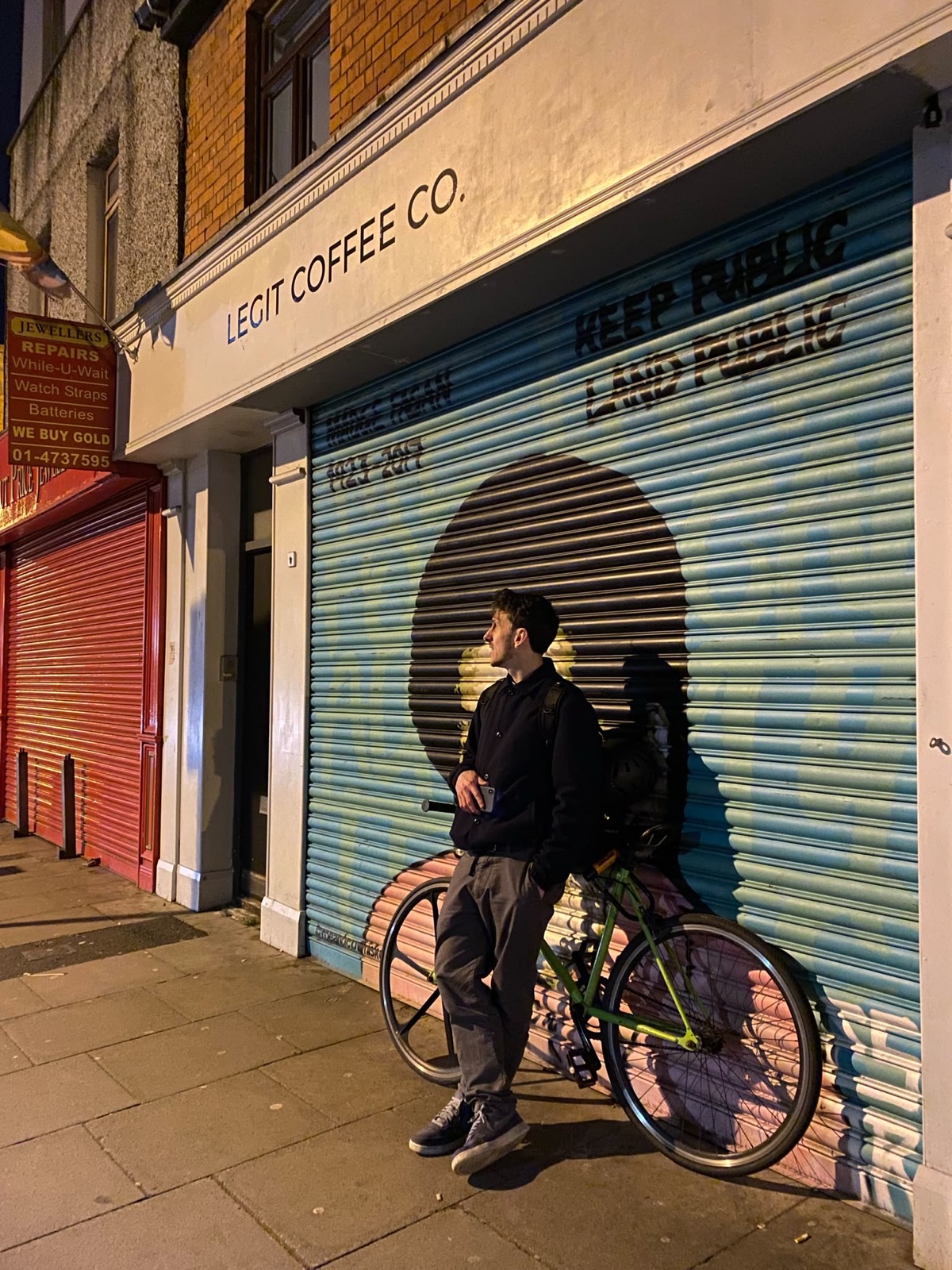
Senior UX Designer · Ireland

Product systems, made .

I design research‑informed workflows for enterprise products, operational tools, accessibility challenges, and multi‑system environments — the places where clarity, confidence, and decision quality matter most.

Hand-drawn blue line illustration of a smiling face

Selected work

Choose wisely

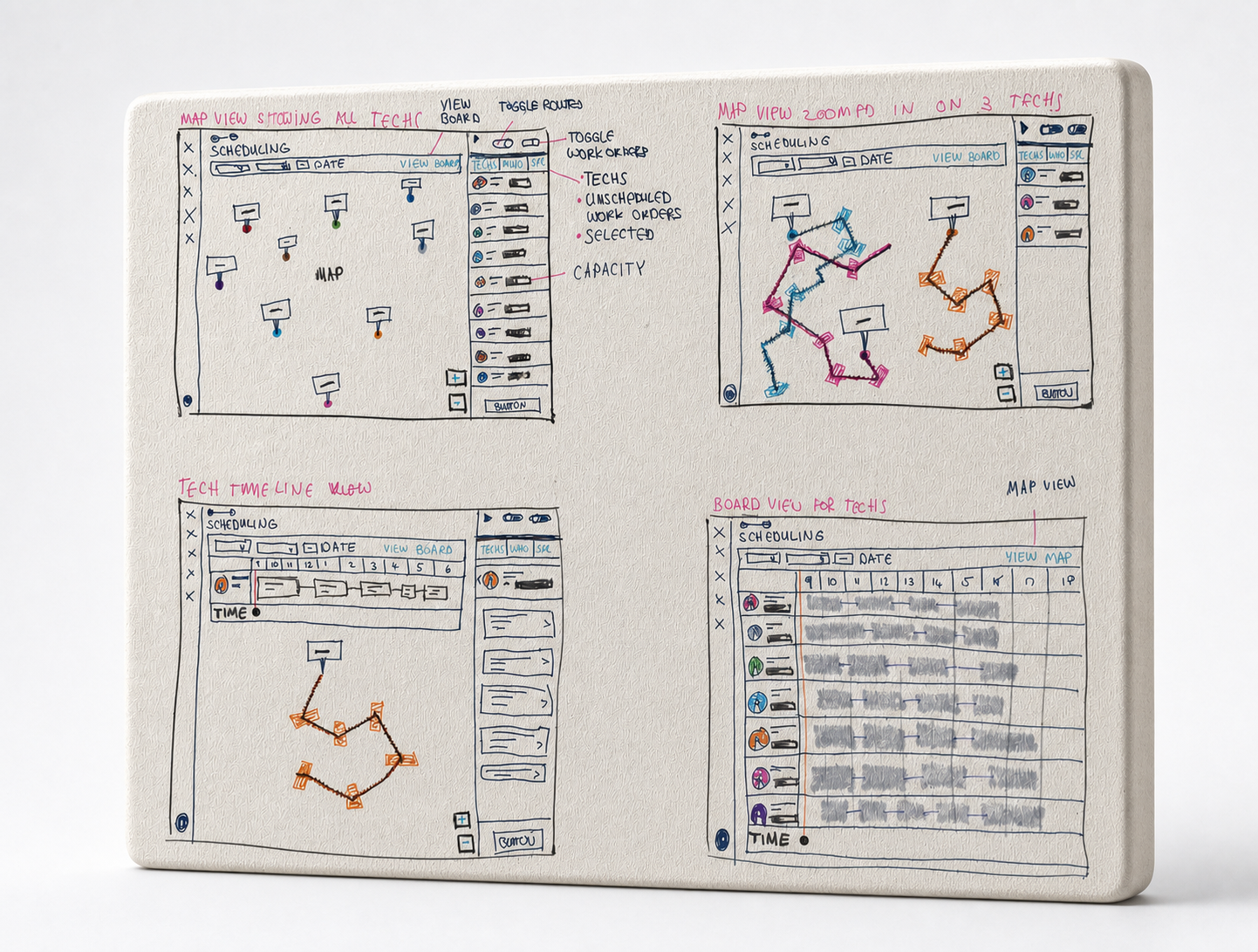
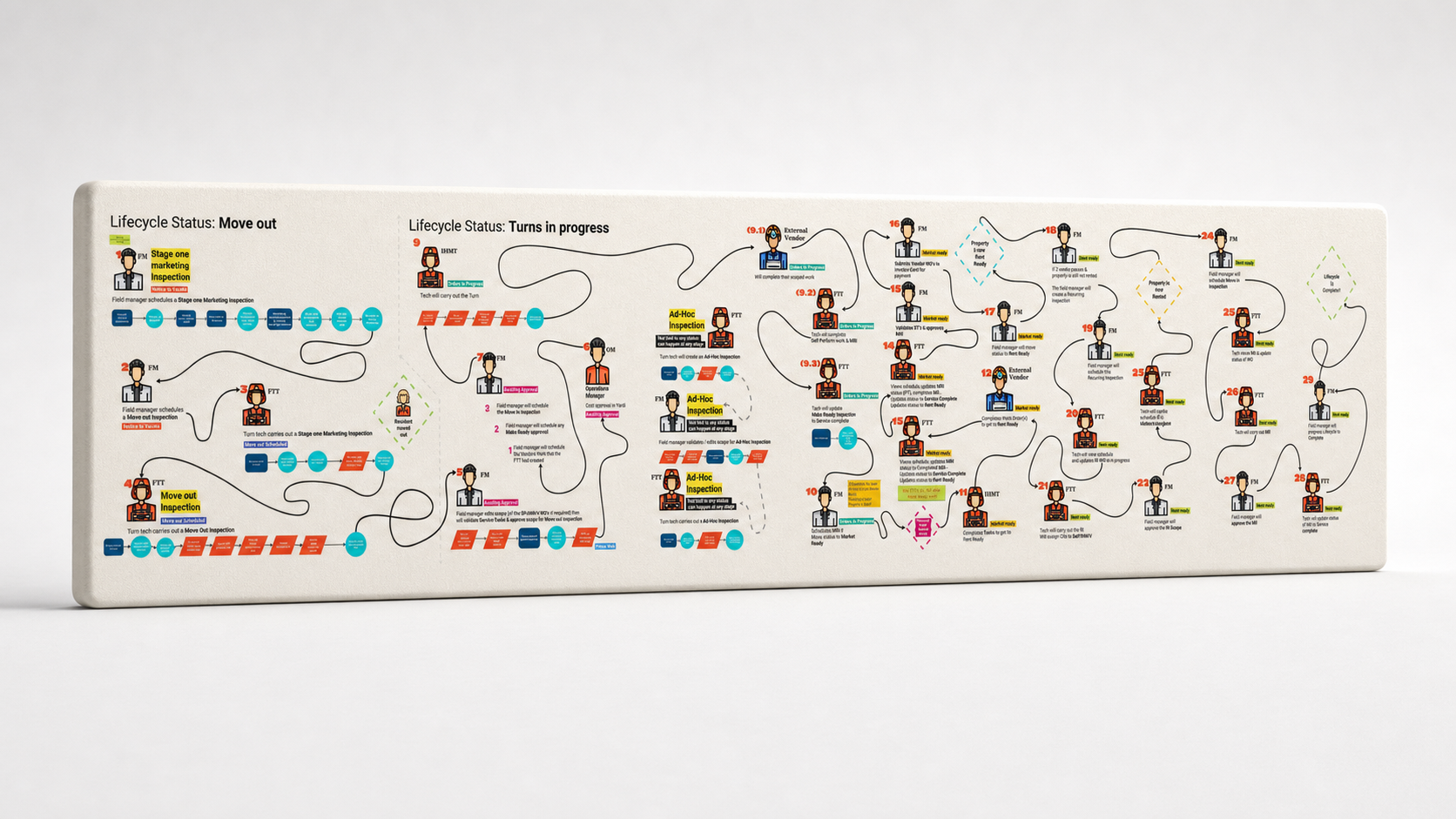
AMH Turn Dashboard 2024

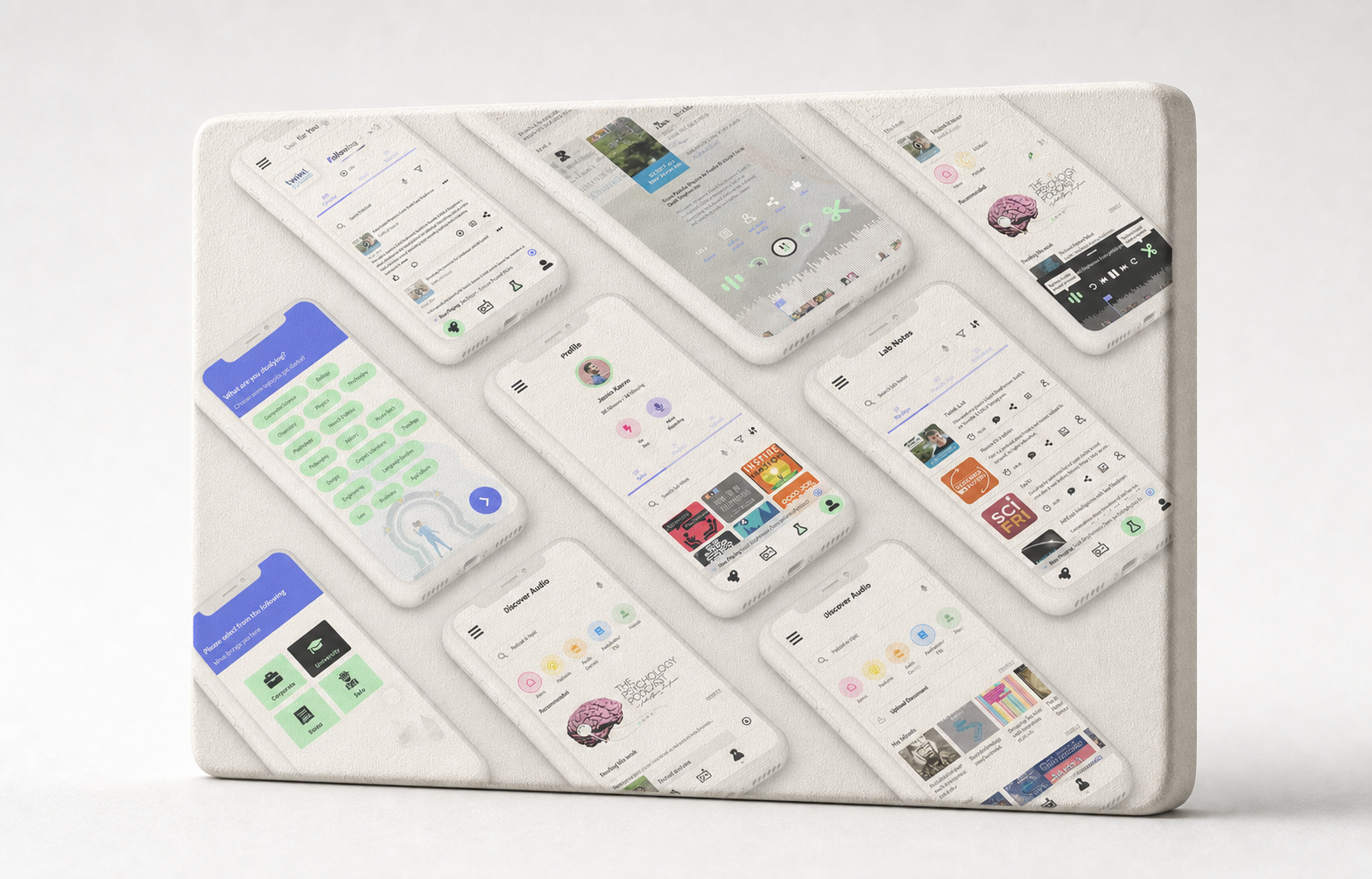
An operational dashboard for the property Turn — bringing status, bottlenecks and ownership into one view, so teams could see where work was stuck and who held the next step.

Role
Senior UX Designer
Problem type
Operational visibility
Key methods
Contextual inquiry, workflow mapping, thematic analysis, persona validation
Outcome
Research recommendations adopted into the product roadmap

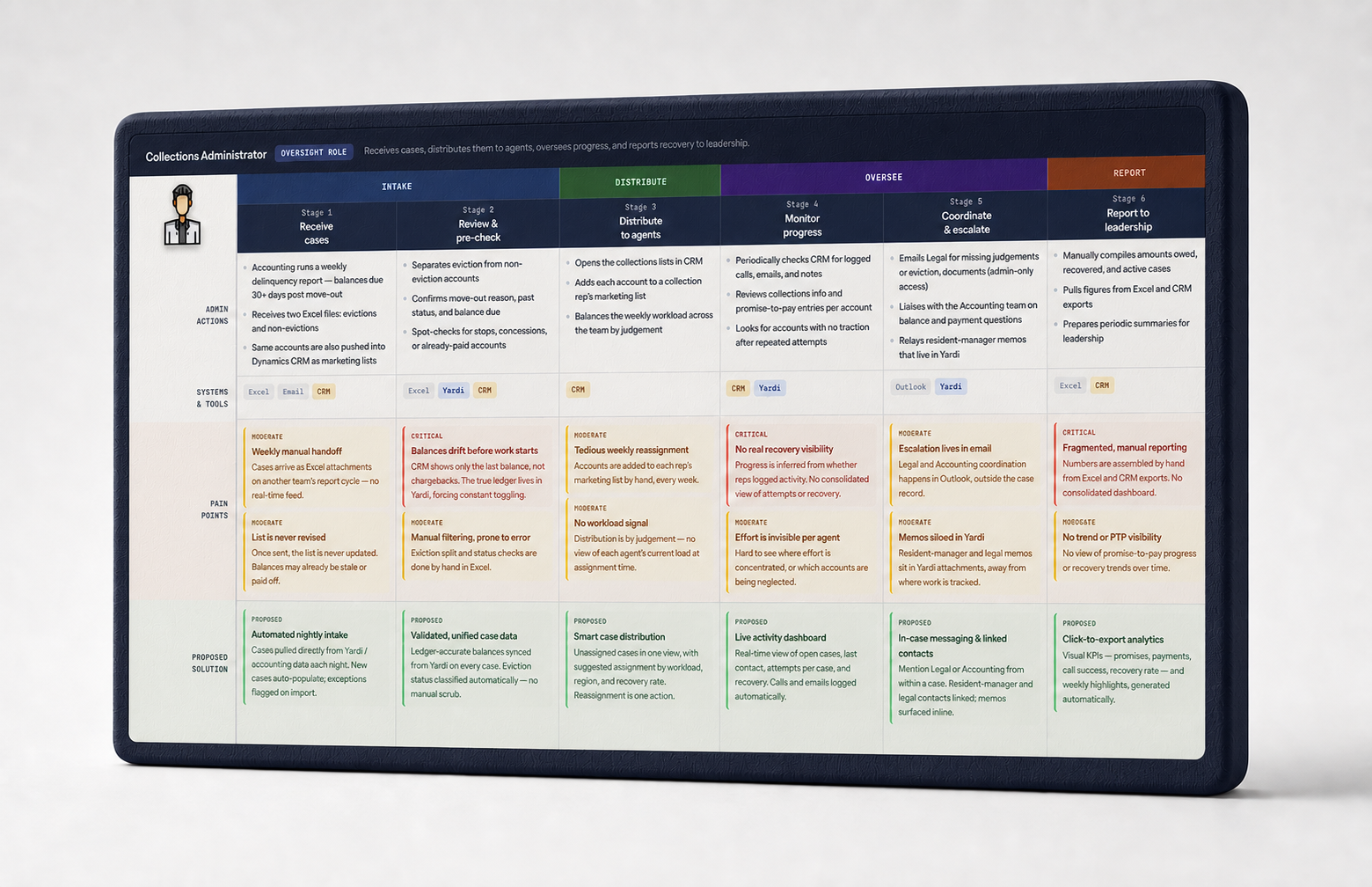
AMH Collections 2025

Payments and collections flows that balance resident experience against compliance constraints and the operational paths for recovering missed payments.

Role
Senior UX Designer
Problem type
Payments & compliance workflows
Key methods
Discovery synthesis, journey mapping, personas, wireframing, AI-assisted delivery
Outcome
Flows and wireframes handed to AMH's internal team to take into build.

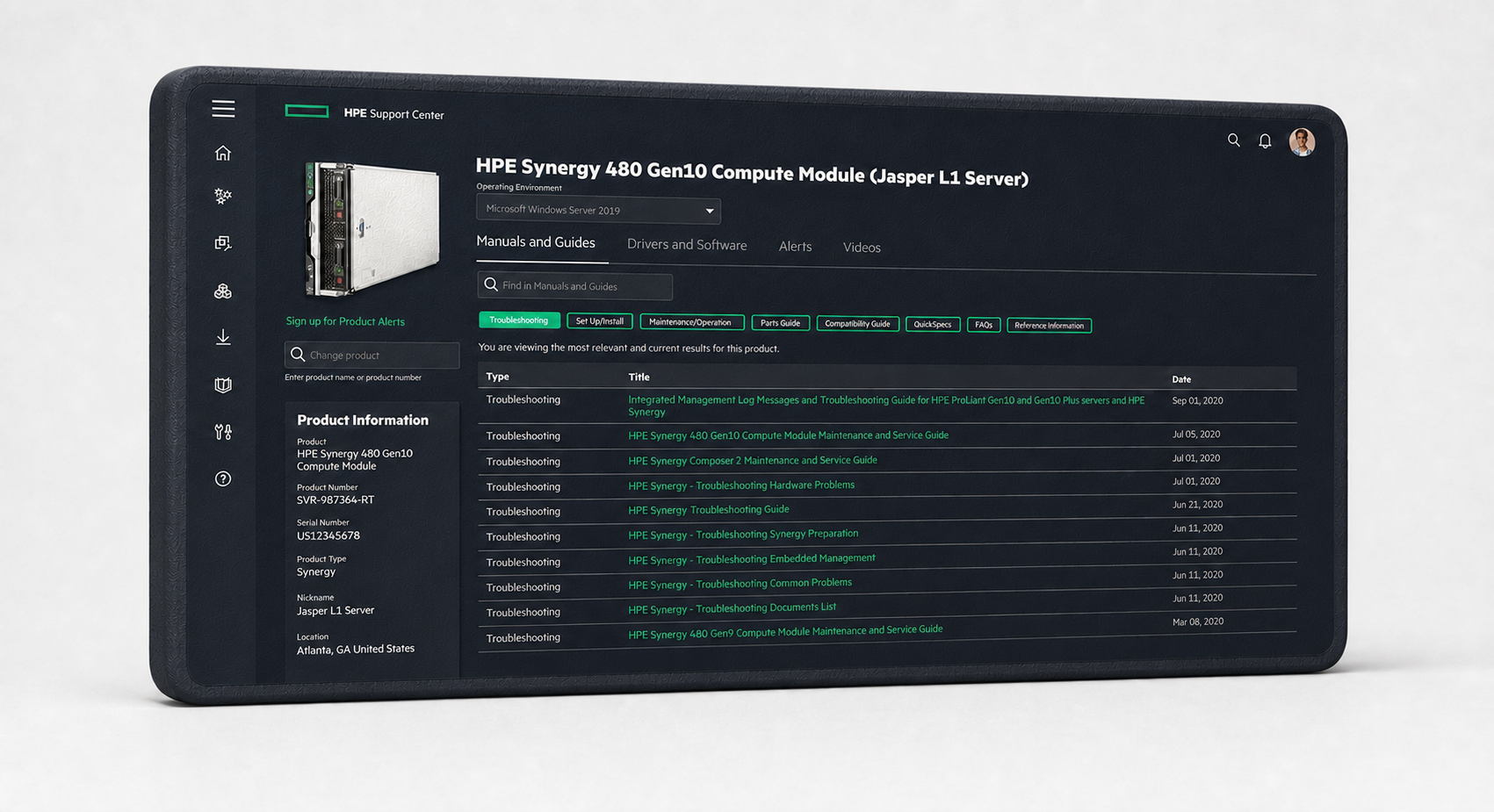
HPE — Knowledge Base 2021

Restructuring how support knowledge is found and trusted across a large enterprise — so the right answer surfaces before a ticket is raised.

Role
UX Designer
Problem type
Information architecture & findability
Key methods
IA, content modelling, usability testing
Outcome
A restructured & shipped knowledge model and IA that made trusted answers easier to find.

How I work

There is no

Start with the system, not the screen

Most complex problems aren’t interface problems. They’re workflow problems — decisions made blind, handoffs with no feedback, knowledge that lives in one person’s head. The screen is the last place I start.

Design for decision moments, not task flows

A flow describes what happens. A decision moment is where something consequential gets committed — with incomplete information, under pressure, at speed. That’s where design energy pays off.

Treat constraints as inputs, not obstacles

Engineering cost, data availability, API limitations — these aren’t things to negotiate around later. They’re design information. Some of my best solutions came from finding out my first idea was too expensive.

Make complexity legible before simplifying it

Simplification that hides complexity creates brittle products. The work is first to make the system visible — to users, to the team, to the business — so that what gets simplified is understood, not just glossed over.

Skills & capabilities

A very set

Product systems & workflow design

  • Multi-system enterprise workflows
  • Operational dispatch, payments, scheduling, and knowledge tooling
  • Role-based journeys, handoffs, dependencies, and decision points
  • Encoding tacit operational knowledge into product behaviour

Research-informed product direction

  • Research synthesis and theme development
  • Moderated evaluative testing on working builds
  • Finding → implication → action tracking
  • Reframing briefs around the problem behind the problem

Interaction, accessibility & product quality

  • Complex states, status, priority, and recovery patterns
  • Staged commitment for high-consequence actions
  • Accessible disclosure and keyboard-first patterns
  • Non-colour-only state and priority indicators

Delivery, constraints & alignment

  • Working trade-offs openly with engineering
  • Facilitating alignment across product, ops, and business
  • Making plans shared, legible, and actionable
  • Build-risk reduction through discovery

Modern design workflow

  • AI as a controlled accelerator, with human verification
  • AI-assisted synthesis, exploration, and prototype thinking
  • Prototype-led exploration of workflow logic and decision points

About

The survive

I’m a Senior UX Designer who helps product teams turn complex systems into clearer decisions, workflows, and shippable product direction.

My work sits at the intersection of user needs, operational reality, business rules, and technical constraints.

Rather than starting with screens, I start by understanding the system: who is involved, what decisions need to be made, what information is missing, where handoffs break down, and which constraints shape what can realistically be built.

I use research to reduce uncertainty, accessibility to raise the quality bar, and prototypes to make product behaviour easier to evaluate earlier. I also use AI tools as accelerators for synthesis, exploration, and early prototyping — with human judgement, evidence, and product constraints as the verification layer.

Across enterprise UX, operational tooling, scheduling workflows, payment experiences, support discovery, and multi-system products, the pattern is consistent: strong design makes complexity understandable enough for teams to decide what should happen next.
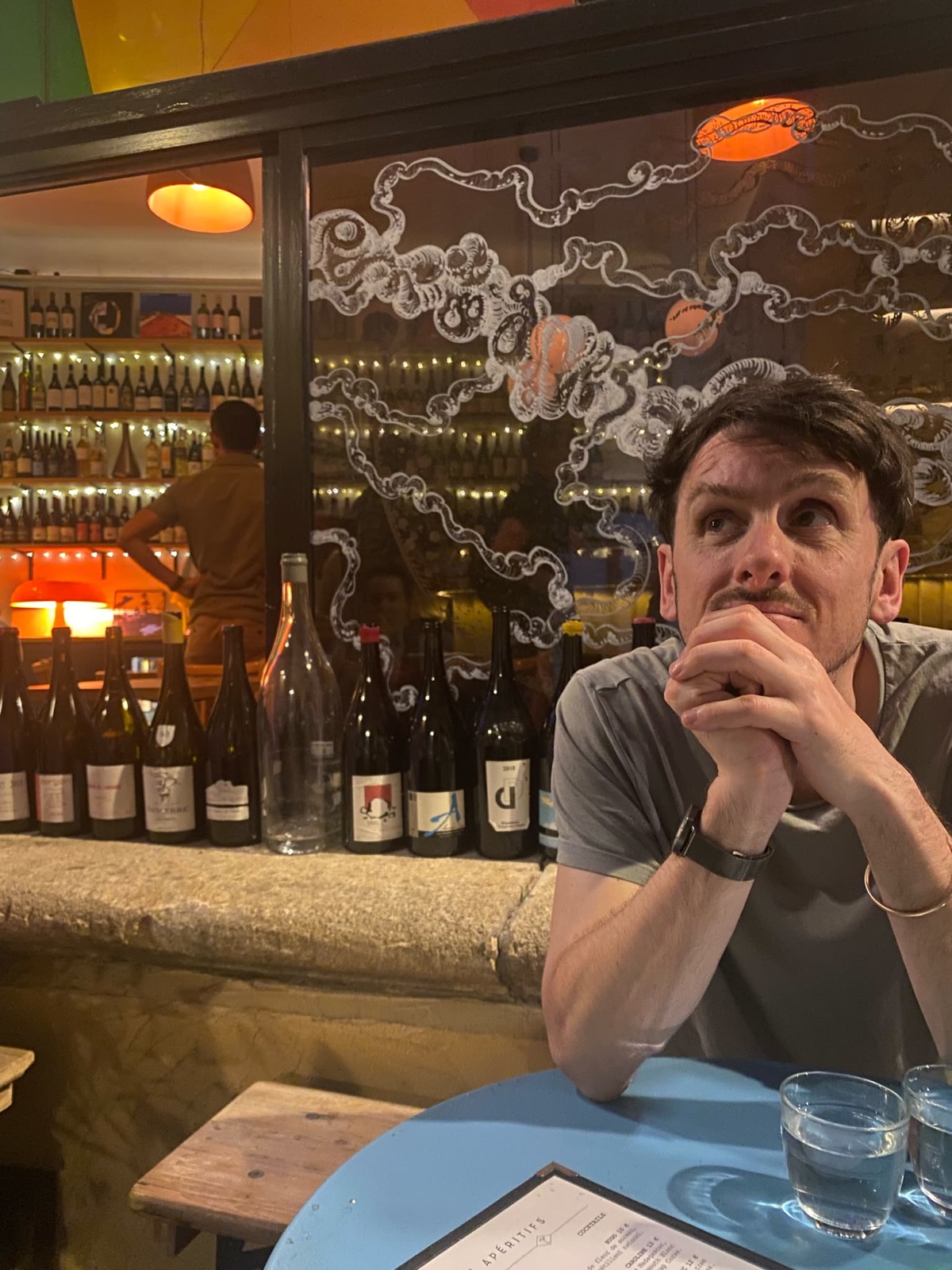
Portrait of Paul O’Shaughnessy

Contact

Help me help you

I’m happy to walk through any case study in depth, share work that isn’t public, or talk about a role.